1 / 6
+1
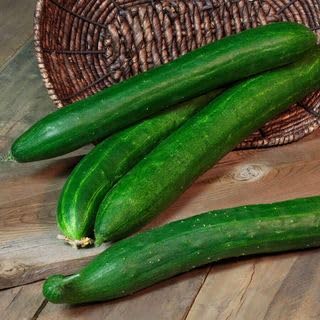
Park Seed Variety of Cucumber Seeds, Planting Cucumbers, Vegetable Seeds, Easy to Grow, Non-GMO, Perfect for Harvesting, Tasty Green Hybrid, Pack of 1000
- Select the Right Cucumber Variety – Choose seeds that fit your needs—slicing varieties for fresh salads, pickling types for preserving, or specialty cucumbers like burpless or Persian for unique flavor and digestibility. Each type offers different growing habits and harvest goals.
- Plant at the Right Time – Cucumber seeds should be sown directly in the garden only after the soil has reached 60°F or warmer, which typically happens post-frost in late spring. Warmer soil ensures better germination and faster early growth.
- Sow Deep and Space Well – Plant seeds about 1 inch deep, with 2–3 seeds per hole. Depending on the variety’s growth habit, space holes 18–36 inches apart to allow vines or bushy plants enough room to grow and receive proper air circulation.
- Water Consistently and Use Support for Vines – Maintain moist but not soggy soil throughout the growing season to support flowering and fruiting. For vining varieties, train plants vertically using a cage or trellis to conserve space and reduce contact with the ground, preventing disease and promoting straighter fruit.
- Harvest Frequently for Peak Quality – Most slicing cucumbers are ready at 7–9 inches long. Harvest regularly to keep plants productive and prevent fruits from becoming overripe or bitter. Early and frequent picking leads to better flavor and longer harvest windows.
- Select the Right Cucumber Variety – Choose seeds that fit your needs—slicing varieties for fresh salads, pickling types for preserving, or specialty cucumbers like burpless or Persian for unique flavor and digestibility. Each type offers different growing habits and harvest goals.
- Plant at the Right Time – Cucumber seeds should be sown directly in the garden only after the soil has reached 60°F or warmer, which typically happens post-frost in late spring. Warmer soil ensures better germination and faster early growth.
- Sow Deep and Space Well – Plant seeds about 1 inch deep, with 2–3 seeds per hole. Depending on the variety’s growth habit, space holes 18–36 inches apart to allow vines or bushy plants enough room to grow and receive proper air circulation.
- Water Consistently and Use Support for Vines – Maintain moist but not soggy soil throughout the growing season to support flowering and fruiting. For vining varieties, train plants vertically using a cage or trellis to conserve space and reduce contact with the ground, preventing disease and promoting straighter fruit.
- Harvest Frequently for Peak Quality – Most slicing cucumbers are ready at 7–9 inches long. Harvest regularly to keep plants productive and prevent fruits from becoming overripe or bitter. Early and frequent picking leads to better flavor and longer harvest windows.
Select Size
Select Color
From $8.95
Park Seed Variety of Cucumber Seeds, Planting Cucumbers, Vegetable Seeds, Easy to Grow, Non-GMO, Perfect for Harvesting, Tasty Green Hybrid, Pack of 1000—
$8.95
Description
- Select the Right Cucumber Variety – Choose seeds that fit your needs—slicing varieties for fresh salads, pickling types for preserving, or specialty cucumbers like burpless or Persian for unique flavor and digestibility. Each type offers different growing habits and harvest goals.
- Plant at the Right Time – Cucumber seeds should be sown directly in the garden only after the soil has reached 60°F or warmer, which typically happens post-frost in late spring. Warmer soil ensures better germination and faster early growth.
- Sow Deep and Space Well – Plant seeds about 1 inch deep, with 2–3 seeds per hole. Depending on the variety’s growth habit, space holes 18–36 inches apart to allow vines or bushy plants enough room to grow and receive proper air circulation.
- Water Consistently and Use Support for Vines – Maintain moist but not soggy soil throughout the growing season to support flowering and fruiting. For vining varieties, train plants vertically using a cage or trellis to conserve space and reduce contact with the ground, preventing disease and promoting straighter fruit.
- Harvest Frequently for Peak Quality – Most slicing cucumbers are ready at 7–9 inches long. Harvest regularly to keep plants productive and prevent fruits from becoming overripe or bitter. Early and frequent picking leads to better flavor and longer harvest windows.