Park Seed Winterbor Hybrid Kale Seeds, Sweet and Tangy, Pack of 50 Seeds
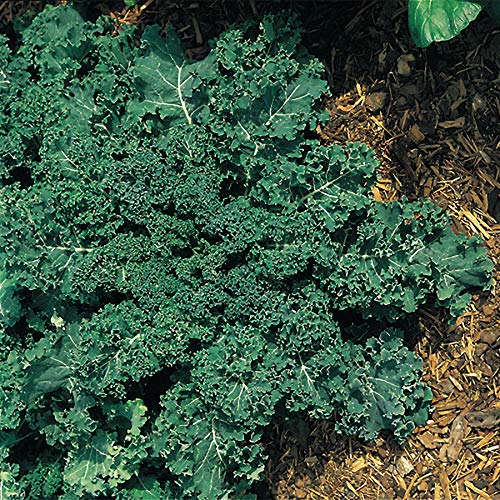
- The brilliant blue-green color of these thick, frilly, marvelously curly leaves make them beautifully ornamental, but don't rule out their flavor. Winterbor is a superb kale for the table as well.
- The flavor of Winterbor intensifies with frost, and if used for ornamental purposes it lasts well into winter in mild climates. The dense, frilly leaves reach 3 feet high and 2 feet wide.
- For spring crops, start the seeds indoors 2 to 4 weeks before the last scheduled spring frost in your area, transplanting the seedlings as soon as the soil can be worked.
- For fall crops, start the seeds indoors in late summer or early fall, transplanting when day temperatures are below 80 degrees. For winter crops in warm areas, start seeds indoors in early fall, transplanting well before first frost.
- Days to Maturity: 65 from transplant. Pack of 50 seeds.
- The brilliant blue-green color of these thick, frilly, marvelously curly leaves make them beautifully ornamental, but don't rule out their flavor. Winterbor is a superb kale for the table as well.
- The flavor of Winterbor intensifies with frost, and if used for ornamental purposes it lasts well into winter in mild climates. The dense, frilly leaves reach 3 feet high and 2 feet wide.
- For spring crops, start the seeds indoors 2 to 4 weeks before the last scheduled spring frost in your area, transplanting the seedlings as soon as the soil can be worked.
- For fall crops, start the seeds indoors in late summer or early fall, transplanting when day temperatures are below 80 degrees. For winter crops in warm areas, start seeds indoors in early fall, transplanting well before first frost.
- Days to Maturity: 65 from transplant. Pack of 50 seeds.
Select Size
Select Color
From $8.95
Park Seed Winterbor Hybrid Kale Seeds, Sweet and Tangy, Pack of 50 Seeds—
$8.95
Description
- The brilliant blue-green color of these thick, frilly, marvelously curly leaves make them beautifully ornamental, but don't rule out their flavor. Winterbor is a superb kale for the table as well.
- The flavor of Winterbor intensifies with frost, and if used for ornamental purposes it lasts well into winter in mild climates. The dense, frilly leaves reach 3 feet high and 2 feet wide.
- For spring crops, start the seeds indoors 2 to 4 weeks before the last scheduled spring frost in your area, transplanting the seedlings as soon as the soil can be worked.
- For fall crops, start the seeds indoors in late summer or early fall, transplanting when day temperatures are below 80 degrees. For winter crops in warm areas, start seeds indoors in early fall, transplanting well before first frost.
- Days to Maturity: 65 from transplant. Pack of 50 seeds.