1 / 3
Park Seed Sugarleaf Organic Stevia Seeds, Pack of 50 Seeds
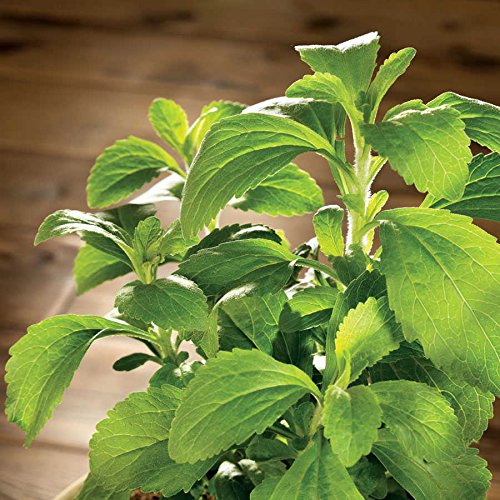
- 20 to 30 times sweeter than sugar cane, yet is noncaloric and doesn't promote tooth decay. Stevia is easy to use, too. Just drop a leaf into hot or cold drinks, or use it like a bay leaf to sweeten meat and vegetables dishes while they cook—it's heat stable. Grind the dried leaves and sprinkle them into cereals and other cold dishes as you would sugar.
- The plant is a tender perennial (grown as an annual everywhere except zones 10 and 11) that loves consistently moist soil, full sunshine, and excellent soil drainage. Its leaves reach their peak of sweetness just before the plant flowers, and flowering is triggered by the arrival of short days.
- Germination takes about 7 to 15 days. The young seedlings are strong but grow slowly, so begin seeds indoors 8 weeks before transplant time (after last scheduled spring frost in your area). Of course, for use in the kitchen windowsill garden or other brightly lit indoor setting, seeds may be germinated any time of year. Cover the seeds with a scant ⅛-inch vermiculite, and germinate under grow lights if available at 70 to 75 degrees Fahrenheit.
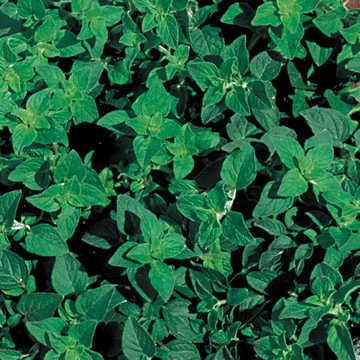
- In the garden, stevia likes enriched soil and needs constant moisture—but not wet feet—throughout the growing season. (It is native to South America, where it grows in tropical conditions and is often found along the sandy banks of streams.) Raised beds or hilling are easy solutions. Mulch well when the summer heat arrives. The plant will reach about 12 inches high and 18 inches wide in the garden, somewhat smaller indoors.
- Once you have grown and harvested stevia from your own garden, we predict that you'll fall in love with the health benefits of this natural sweetener.
- 20 to 30 times sweeter than sugar cane, yet is noncaloric and doesn't promote tooth decay. Stevia is easy to use, too. Just drop a leaf into hot or cold drinks, or use it like a bay leaf to sweeten meat and vegetables dishes while they cook—it's heat stable. Grind the dried leaves and sprinkle them into cereals and other cold dishes as you would sugar.
- The plant is a tender perennial (grown as an annual everywhere except zones 10 and 11) that loves consistently moist soil, full sunshine, and excellent soil drainage. Its leaves reach their peak of sweetness just before the plant flowers, and flowering is triggered by the arrival of short days.
- Germination takes about 7 to 15 days. The young seedlings are strong but grow slowly, so begin seeds indoors 8 weeks before transplant time (after last scheduled spring frost in your area). Of course, for use in the kitchen windowsill garden or other brightly lit indoor setting, seeds may be germinated any time of year. Cover the seeds with a scant ⅛-inch vermiculite, and germinate under grow lights if available at 70 to 75 degrees Fahrenheit.
- In the garden, stevia likes enriched soil and needs constant moisture—but not wet feet—throughout the growing season. (It is native to South America, where it grows in tropical conditions and is often found along the sandy banks of streams.) Raised beds or hilling are easy solutions. Mulch well when the summer heat arrives. The plant will reach about 12 inches high and 18 inches wide in the garden, somewhat smaller indoors.
- Once you have grown and harvested stevia from your own garden, we predict that you'll fall in love with the health benefits of this natural sweetener.
Select Size
Select Color
From $14.95
Park Seed Sugarleaf Organic Stevia Seeds, Pack of 50 Seeds—
$14.95
Description
- 20 to 30 times sweeter than sugar cane, yet is noncaloric and doesn't promote tooth decay. Stevia is easy to use, too. Just drop a leaf into hot or cold drinks, or use it like a bay leaf to sweeten meat and vegetables dishes while they cook—it's heat stable. Grind the dried leaves and sprinkle them into cereals and other cold dishes as you would sugar.
- The plant is a tender perennial (grown as an annual everywhere except zones 10 and 11) that loves consistently moist soil, full sunshine, and excellent soil drainage. Its leaves reach their peak of sweetness just before the plant flowers, and flowering is triggered by the arrival of short days.
- Germination takes about 7 to 15 days. The young seedlings are strong but grow slowly, so begin seeds indoors 8 weeks before transplant time (after last scheduled spring frost in your area). Of course, for use in the kitchen windowsill garden or other brightly lit indoor setting, seeds may be germinated any time of year. Cover the seeds with a scant ⅛-inch vermiculite, and germinate under grow lights if available at 70 to 75 degrees Fahrenheit.
- In the garden, stevia likes enriched soil and needs constant moisture—but not wet feet—throughout the growing season. (It is native to South America, where it grows in tropical conditions and is often found along the sandy banks of streams.) Raised beds or hilling are easy solutions. Mulch well when the summer heat arrives. The plant will reach about 12 inches high and 18 inches wide in the garden, somewhat smaller indoors.
- Once you have grown and harvested stevia from your own garden, we predict that you'll fall in love with the health benefits of this natural sweetener.